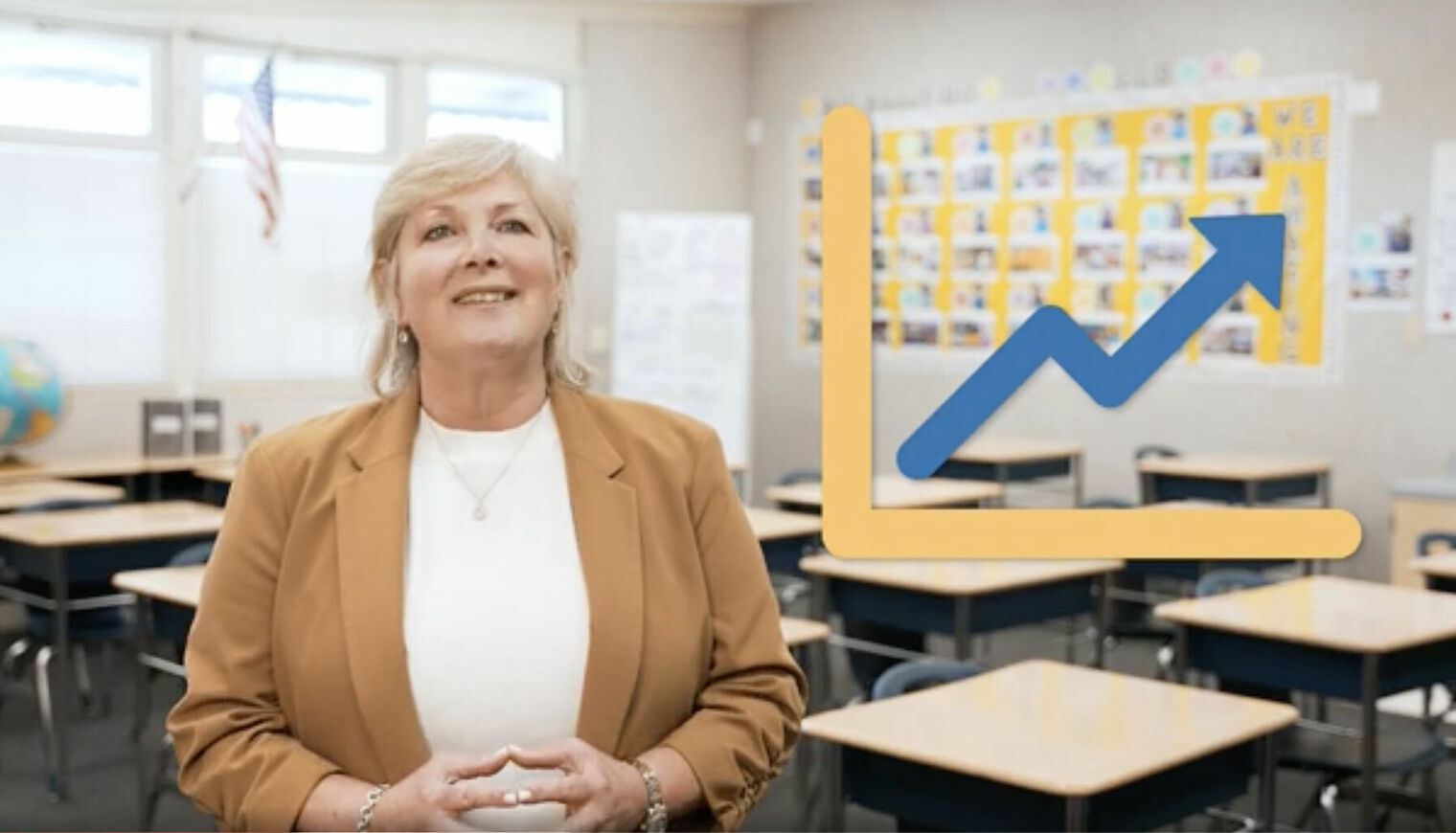
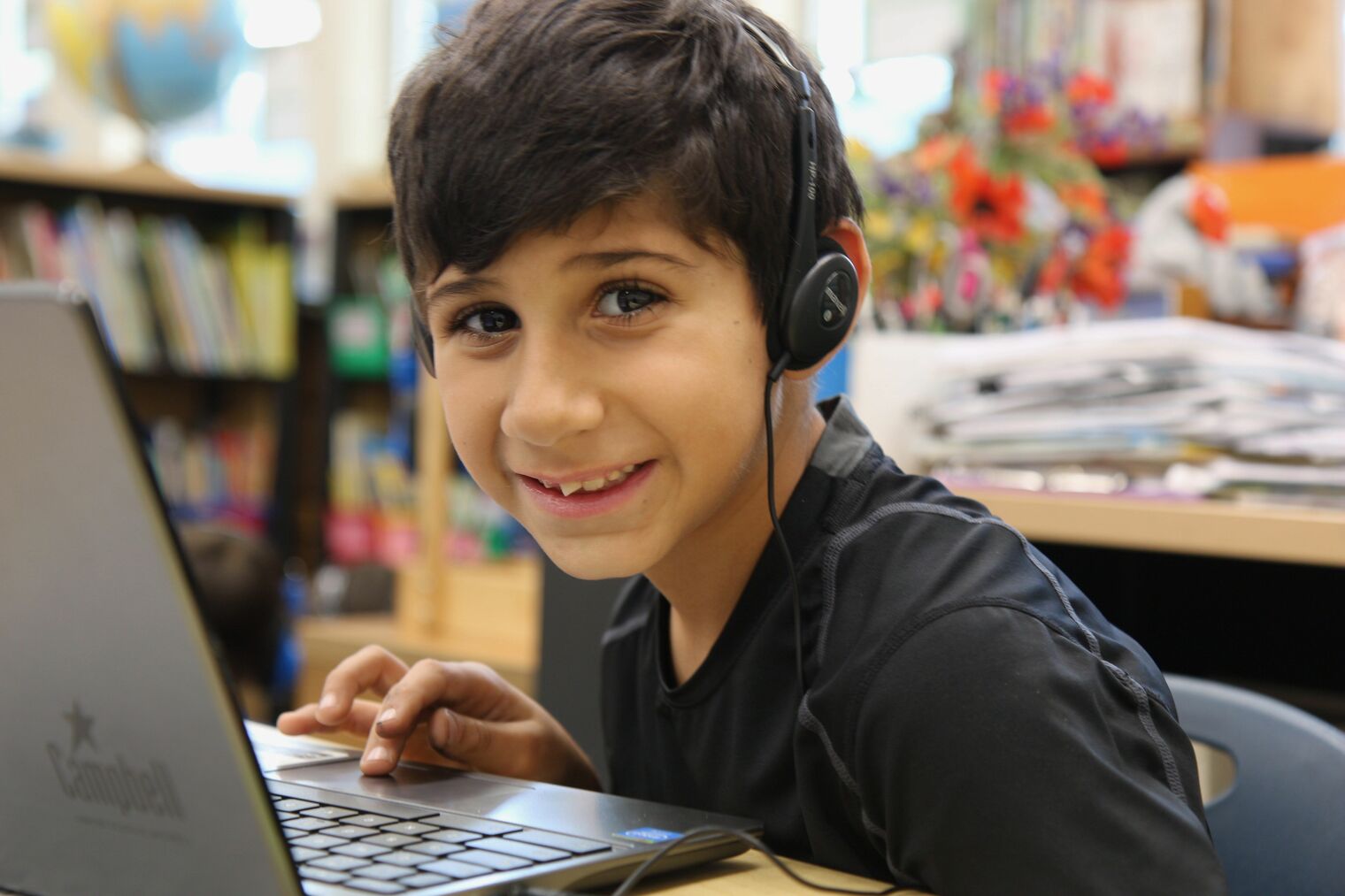
“When I walk through a TK or kindergarten classroom, I think, ‘What in the world will these young people be walking into in the 2045 workforce?’” said Campbell Union School District (CUSD) Superintendent Shelly Viramontez. “A few years ago, we thought access to technology was the digital divide. The new divide will be between students who can leverage AI tools and those who have never had exposure to them.”
As part of an ongoing effort to prepare students for the future, CUSD is carefully exploring how artificial intelligence (AI) can support teaching and learning.
While AI is not yet in widespread use across our schools, the district has been testing select tools in limited and monitored settings. For example, at the May 15 Board meeting, Math Specialist Cheryl Lee shared results from a pilot using two AI-supported tools—Magma Math and Khanmigo—to enhance math learning. Based on student progress and teacher feedback, the district will move forward with Magma Math, introducing it to 4th–8th grade teachers to support instruction and develop a set of standards-aligned assessments.
District leaders emphasize that AI will be used to support teachers, allowing them to focus on high-impact activities such as small-group instruction and individualized feedback.
“AI will not be a one-and-done initiative,” said Superintendent Viramontez. “This will be an ongoing, thoughtful process to equip students with the tools and experiences they’ll need for the future.” Click here to see the video: Leveraging AI as a Tool for Teaching and Learning.


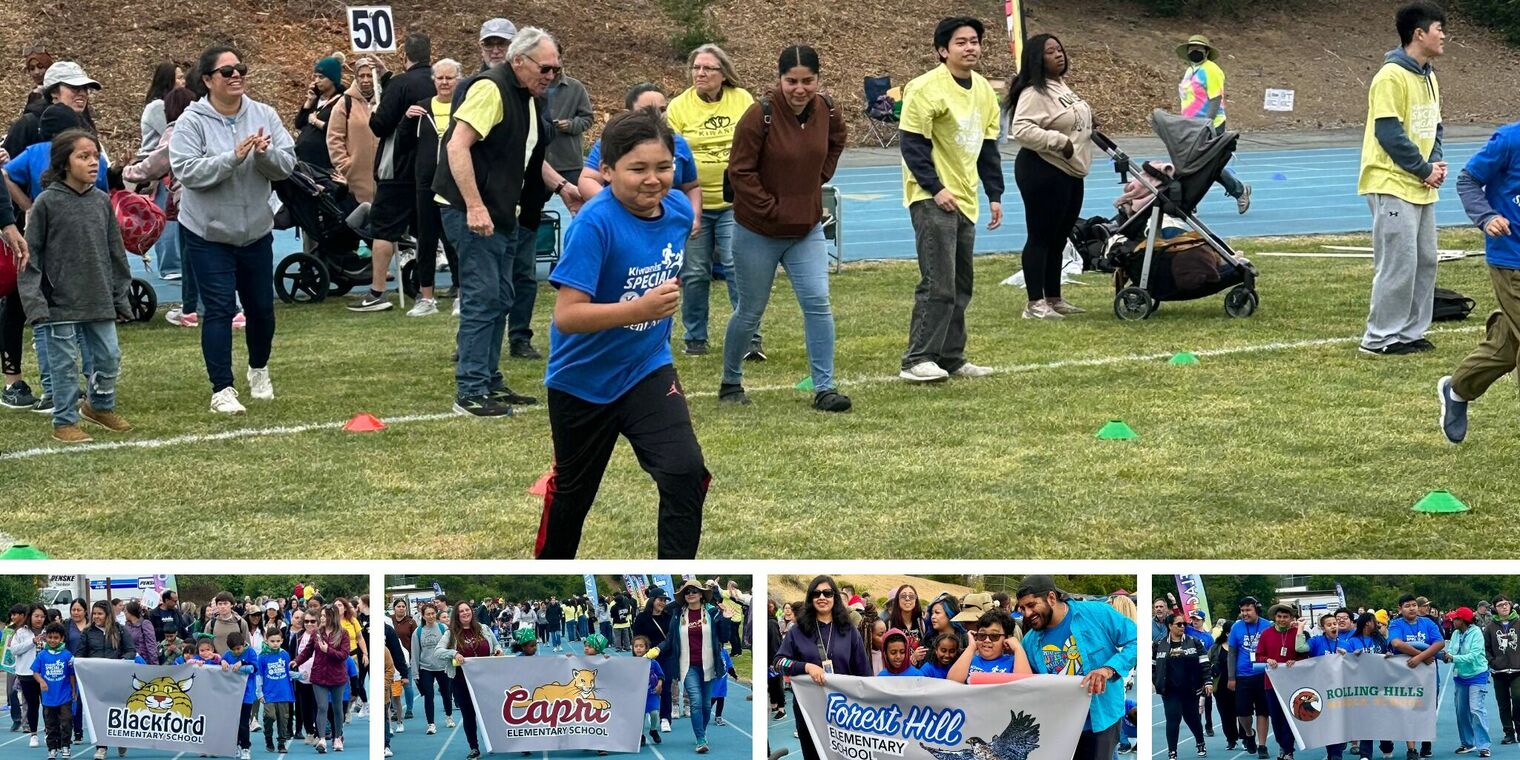
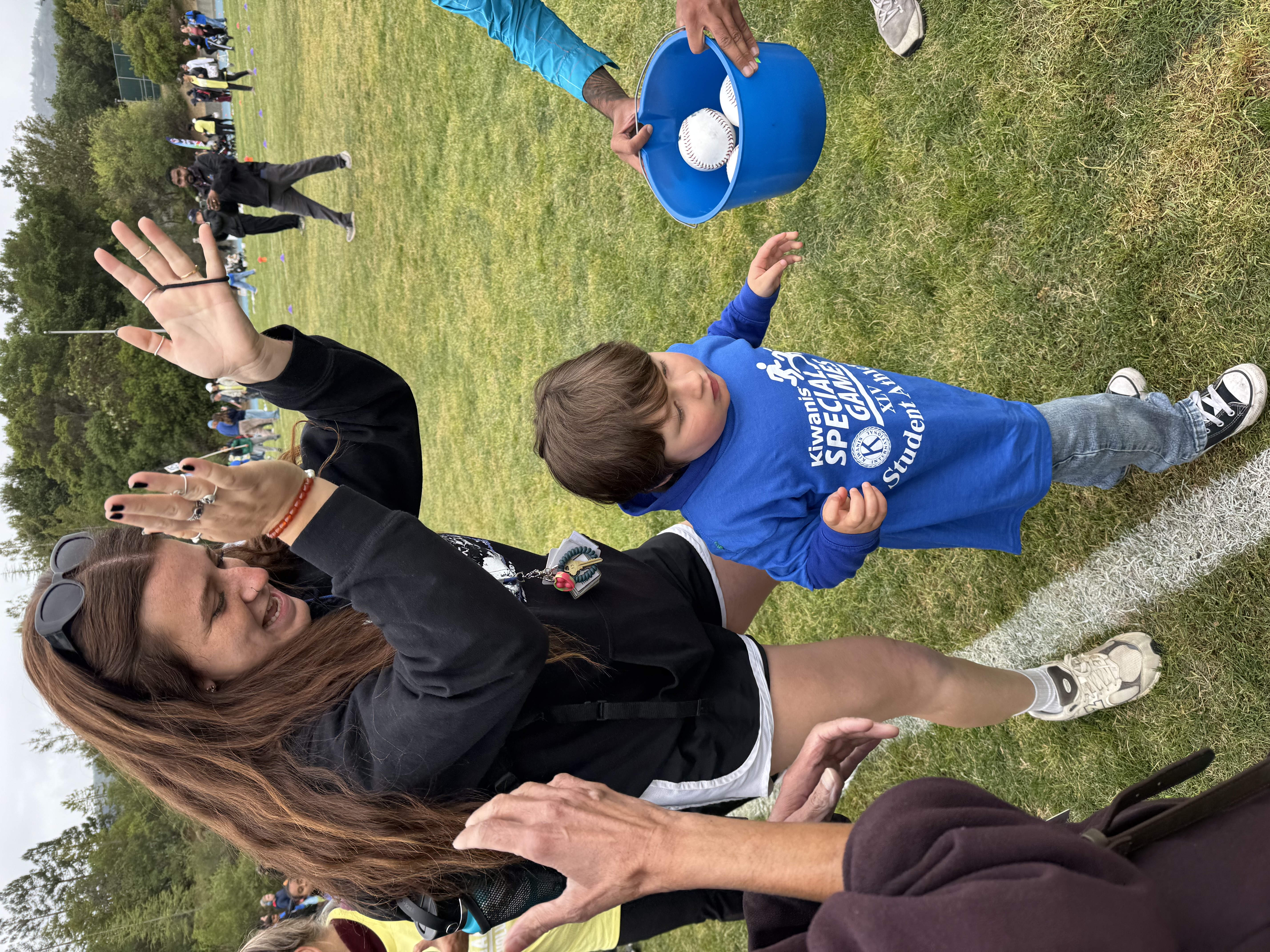 Started in 1978 by two Adaptive PE teachers, the Special Games has expanded to welcome thousands of students from across the Bay Area. The students participate in obstacle courses, frisbee throws, bean bag tosses, 100-yard dashes, and more at West Valley Community College.
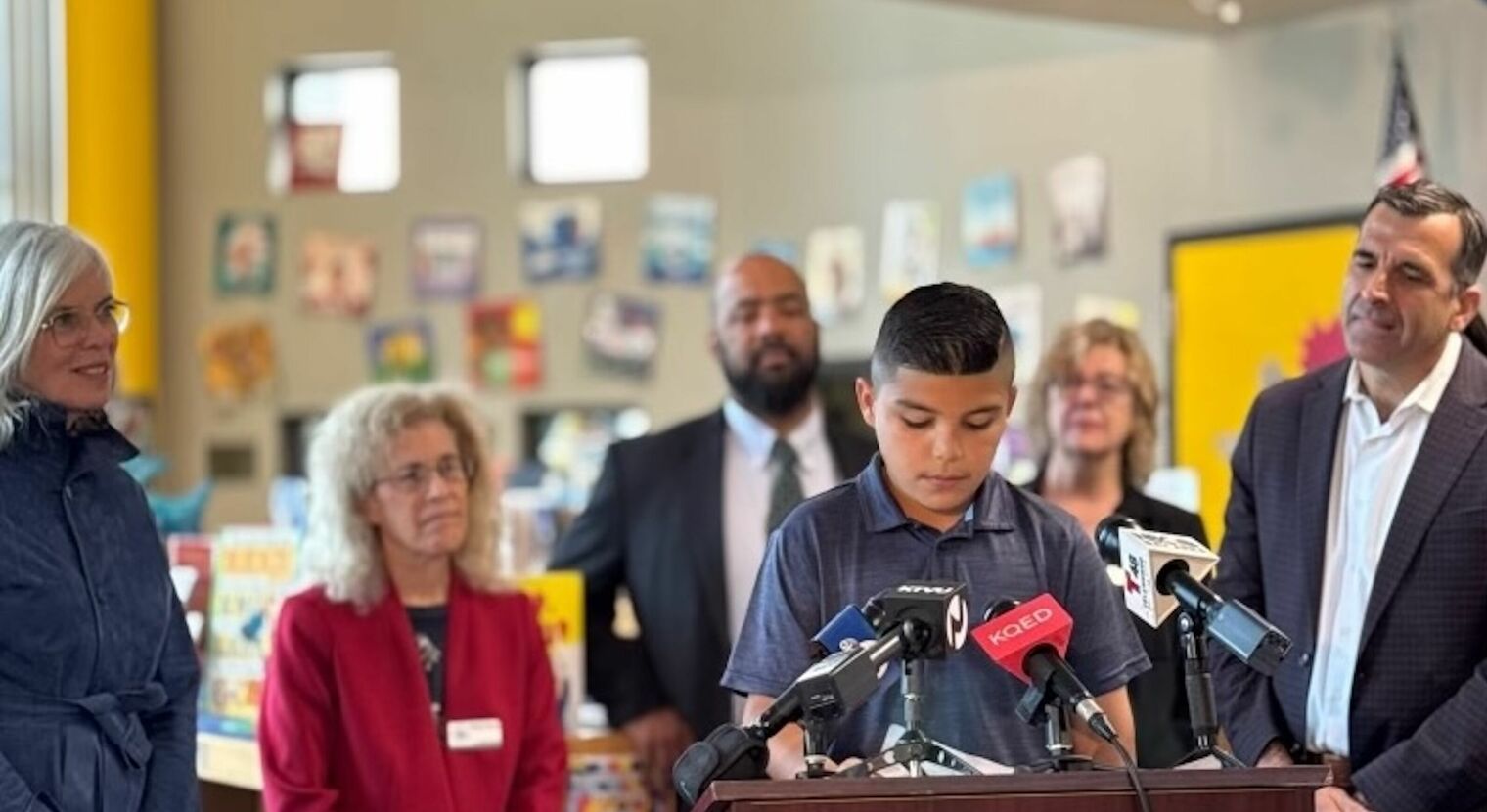
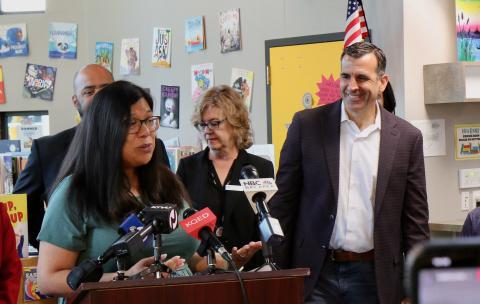 Sigala noted that federal funding enables schools to provide reading specialists, instructional aides, and small-group instruction that free the classroom teacher to provide more individualized attention and enrich lessons to meet diverse learning needs. “Teachers are the core of instruction, but these additional staff make a huge difference for our students,” she said.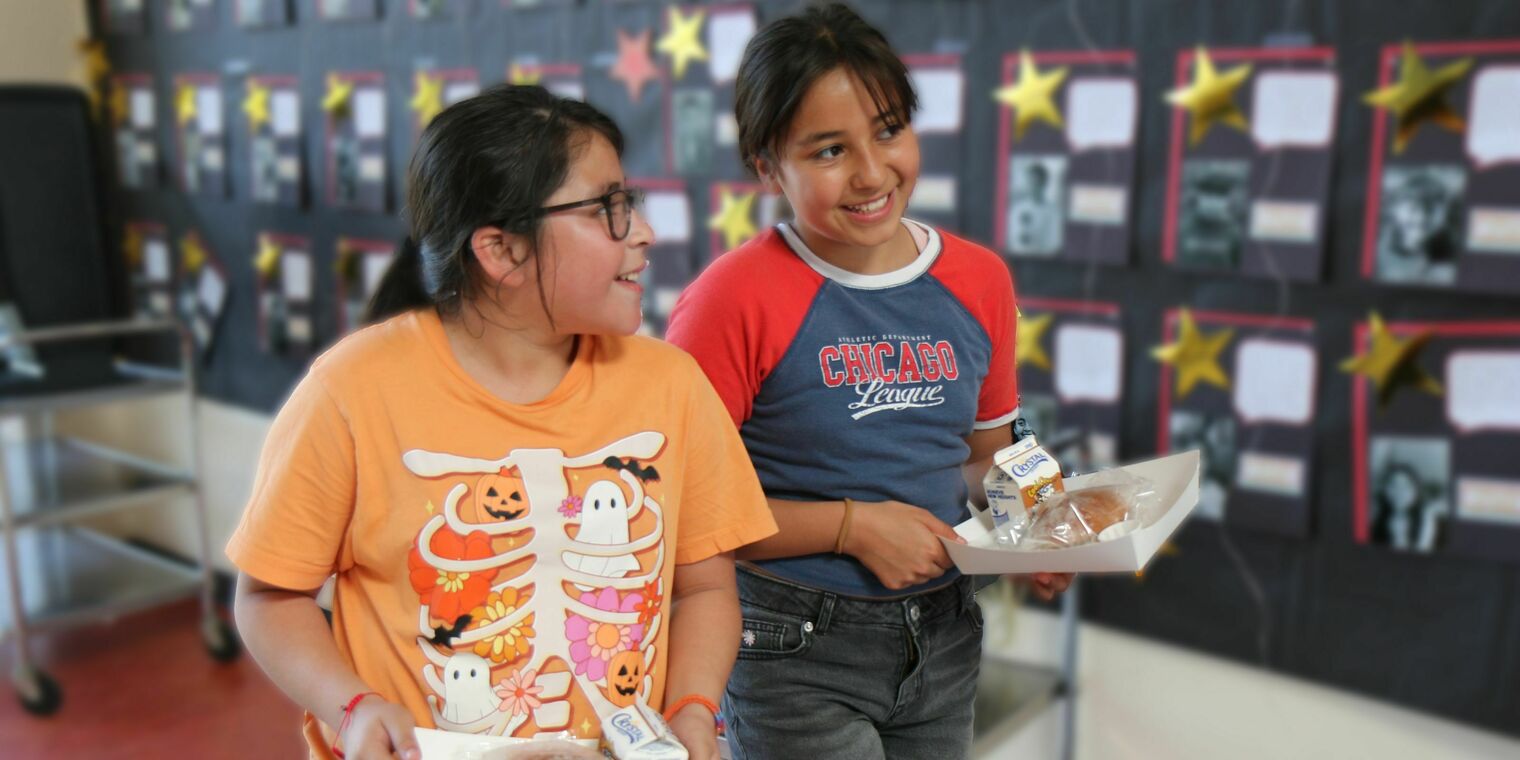
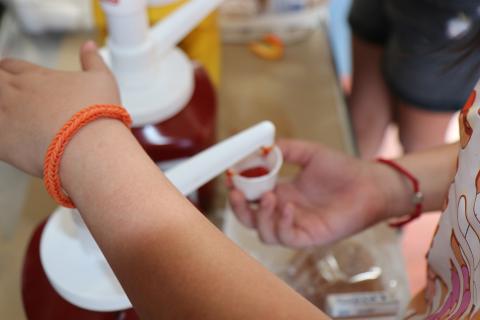 Meals now come in cardboard trays with compostable utensils, and condiments are served from bulk dispensers instead of single-use packets. Castlemont students Greta and Ashley (pictured above) say they prefer the new dispensers.
 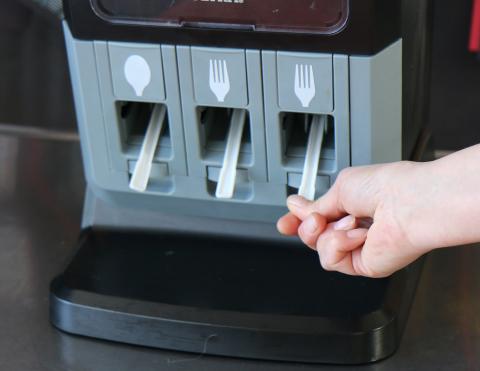 To reduce food waste, students also can place uneaten fruit and unopened milk in sharing bins for others to enjoy. Recycling bins are placed next to trash cans to support sorting.